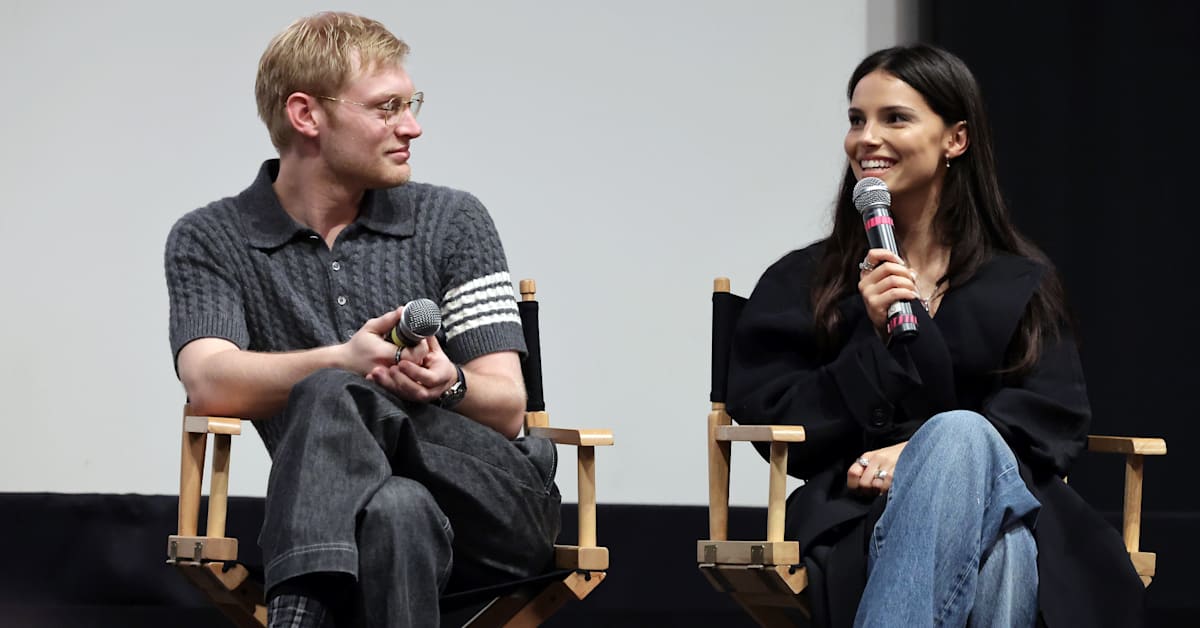
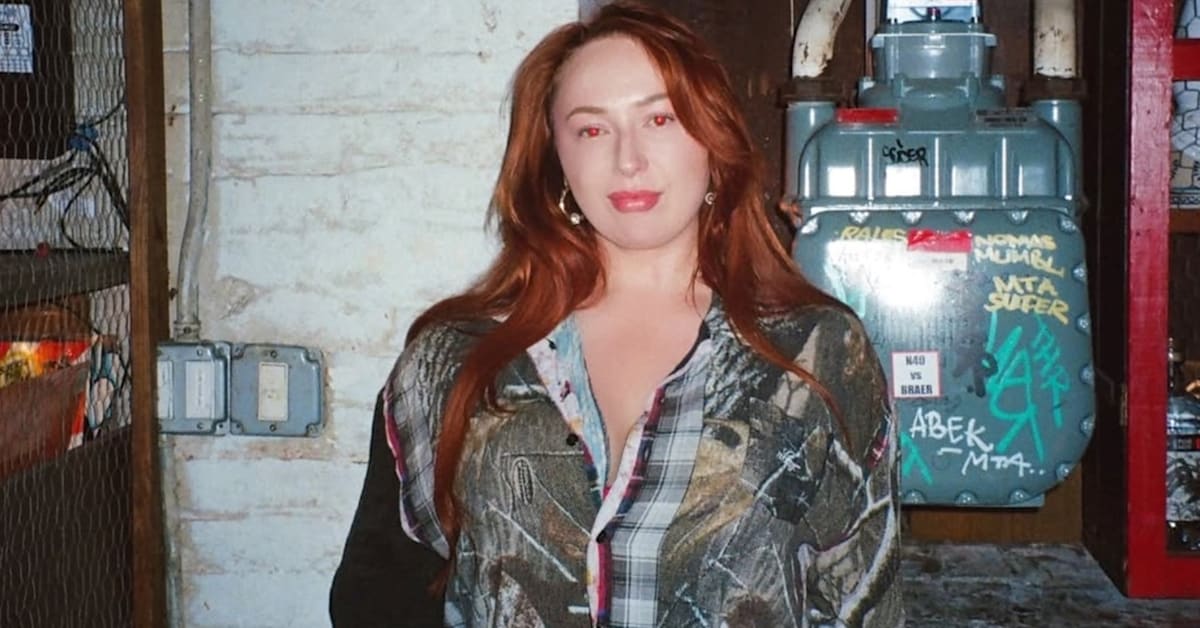

Brittany McGovern is the person most of the fashion industry doesn’t know by name, but she’s behind so many important moments. Originally from Perth, Australia, she moved to New York in 2018 and built a career on instinct. From spotting Colm Dílane’s potential years before KidSuper became one of the biggest brands in streetwear, to quietly engineering the moments that take over our timelines, McGovern has become one of the industry’s most trusted forces behind-the-scenes. She’s bridging PR, marketing, and talent in a way that few others can.
Now, with her own venture, Interlude Communications, she’s stepping into a new chapter where she’s not just executing other people’s visions, but helping shape them from the beginning.
You made the move from Australia to New York, one of the most competitive cities in the world for fashion and PR. What was the moment you realized you actually belonged here?
Honestly, I knew pretty quickly that New York made sense to me.
I grew up in Perth and was always fascinated by culture and entertainment, not just the artist or the brand, but everything around it. I’d watch movies, read magazines, go down endless rabbit holes trying to understand how these worlds actually worked. I wanted to know who made the decisions, who put people together, who created the moments everyone else was talking about.
When I got to New York, it was the first time I felt surrounded by people who were equally obsessed. I remember walking around Brooklyn and hearing the music I loved coming out of apartment windows, cafes, and cars. It felt like everything I’d spent years paying attention to suddenly existed in real life.
Professionally, it came later. I started as an intern and slowly realized editors were taking my calls, placements were landing, and people trusted my instincts. There wasn’t one giant breakthrough. It was a lot of small moments that eventually added up.
When you first landed in New York, what was the biggest culture shock, personally, and professionally?
Probably realizing how much closer everything was.
Growing up in Perth, fashion and media felt very far away, like a glamorous machine operating on the other side of the world. Then I got to New York and realized the people I’d spent years reading about had meetings, deadlines, assistants, and overflowing inboxes like everyone else.
The biggest shift was realizing culture isn’t made by institutions. It’s made by people. Once I understood that, the whole industry felt a lot more accessible and a lot less intimidating.
You were early to recognize Colm Díllane and what KidSuper could become. What did you see in him that others weren’t paying attention to yet?
I met Colm completely by accident in 2019. A stylist friend introduced us, and within an hour of talking, he told me he wanted to do Paris Fashion Week. I told him I did shows in Paris. Three months later, we were there. The funny part is Colm was basically joking about Paris. Unfortunately for him, I wasn’t.
What stood out to me was that he hadn’t learned the rules yet. Most people spend years trying to fit into fashion. Colm was busy building his own universe and inviting people into it. He was one of the few people I’d met who genuinely seemed to believe every crazy thing he said, and the scary part is that most of it ended up happening.
You’re working with A-list clients and helping them be part of major moments. How do you balance protecting someone’s image while also pushing them into spaces that feel unexpected or risky?
I’ve never been particularly interested in putting people in rooms they don’t belong in.
Most of my job is chemistry. It’s less about, “Can we get this person,” and more about, “Should these people even be in the same room?” Audiences are incredibly good at spotting when something feels forced. The best moments happen when everybody involved genuinely wants to be there. When that happens, the internet tends to do the rest.
What does a “big moment” actually look like behind the scenes? What does it take to pull something off that looks effortless on the outside?
Usually somebody’s flight is delayed, somebody’s outfit doesn’t fit, somebody’s manager isn’t answering their phone, and somebody is threatening to leave. That’s before lunch.
People see a celebrity sitting front row or a major placement land and assume it happened because of one phone call. In reality, it can be years of relationship building. A lot of what publicists do is invisible: connecting people, solving problems, managing expectations, and quietly preventing disasters before anyone even knows they exist.
The moments that look effortless are almost always the moments that took the most work.
PR in fashion has changed a lot: social media, the 24-hour news cycle, instant reaction culture. How has that changed the way you build strategy for your clients?Everything moves faster now, but relationships don’t. Fashion doesn’t exist in a vacuum anymore. Neither does music, sports, or entertainment. Everything influences everything. You have to understand not just what’s happening, but why people care about it. The internet has its own culture now. Trends appear overnight and disappear just as fast. The challenge is staying reactive without becoming reactive to everything.
What’s the hardest lesson this industry has taught you?Being right and being credited for being right are two completely different things. Some of the most influential people I’ve met aren’t particularly visible, and some of the most visible people aren’t particularly influential. It took me a while to understand the difference.
What’s been your favorite experience or project so far?One of my favorite moments was when Colm became guest designer for Louis Vuitton.
We were in Paris producing a KidSuper show that week, and one of the Louis Vuitton samples he’d designed was hanging in a dressing room. I remember seeing the Louis Vuitton tag on something he’d created and getting unexpectedly emotional.
A few years earlier, we’d been sitting in a studio in Brooklyn talking about Paris. Now he was designing for the biggest luxury house in the world.
Of all people, Tyra Banks happened to catch me crying. She gave me a hug, a pep talk, and reminded me to appreciate how far we’d come. It was one of those moments that made me stop and realize just how much can happen when you believe in somebody.
What does the next chapter of your career look like for you?I’m building Interlude Communications, which is probably the thing I’m most excited about right now.
The longer I’ve worked in this industry, the less interested I’ve become in simply executing ideas, and the more interested I’ve become in helping shape them. Anyone can put together a seeding list or suggest an influencer or a DJ. The part I’ve always loved is sitting with a client at the very beginning and figuring out what the idea actually is, why it should exist, and whether anyone is genuinely going to care about it.
I’ve accidentally built a career out of being professionally curious: looking at culture, spotting opportunities and connections other people haven’t made yet. That’s where I think I bring the most value, and that’s what I want Interlude to become.
Read the full article here